Strip away the industry language and a sober living home is simple: a house where everyone is staying sober, and the house is set up to keep it that way. Everything else — the rules, the manager, the screening — exists to protect that one fact.
The plain definition
A sober living home (also “sober house,” “recovery residence,” “recovery housing”) is shared, substance-free housing for people in recovery from addiction. Residents pay rent, live ordinary lives — work, school, treatment — and follow house rules designed to protect early sobriety. It is housing, not a treatment program.
How a house actually works
Details vary, but a legitimate house runs on a familiar skeleton:
- Substance-free, verified. Zero alcohol or non-prescribed drugs anywhere, backed by random screening.
- A schedule. Wake-ups, chores, curfew (often 10–11 pm on weeknights), and dinner that happens at a table.
- Recovery engagement. Usually a meeting minimum — three a week is common — plus a weekly house meeting.
- Work or purpose. Employment, school, or program enrollment within the first month.
- Someone accountable. The good houses have a manager who lives on site; the great ones have a manager you’d call at 2 a.m.
Residents typically share bedrooms (some houses offer singles), and stays run open-ended — three to nine months is the common arc, long enough for new routines to stop feeling like effort.
Who sober living is for
The classic resident is leaving detox or a treatment program and knows that going straight home means going straight back. But houses also fill with people who never did formal treatment: sober a few weeks on their own and losing the fight with an empty apartment, or relocating away from the people and places tied to their use.
The honest common denominator: people whose environment is the biggest threat to their recovery. Sober living changes the environment.
What sober living is not
- Not treatment. No therapy or medical care happens in the house. Residents attend outpatient care nearby if they need it.
- Not a halfway house. In New Jersey those are court- and state-placed facilities — different system entirely.
- Not a flophouse. A mattress and a rent check with no rules isn’t sober living, whatever the listing says. The structure is the product.
- Not forever. The house is scaffolding. The goal is a life that no longer needs it.
Why it works
Recovery research keeps landing on the same three predictors: routines, accountability, and community. A well-run sober house is simply a machine for producing all three, every day, without anyone having to summon willpower for it. You wake up because the house wakes up. You go to the meeting because the house verifies it. You stay honest because twelve people eat dinner with you.
Finding a good one
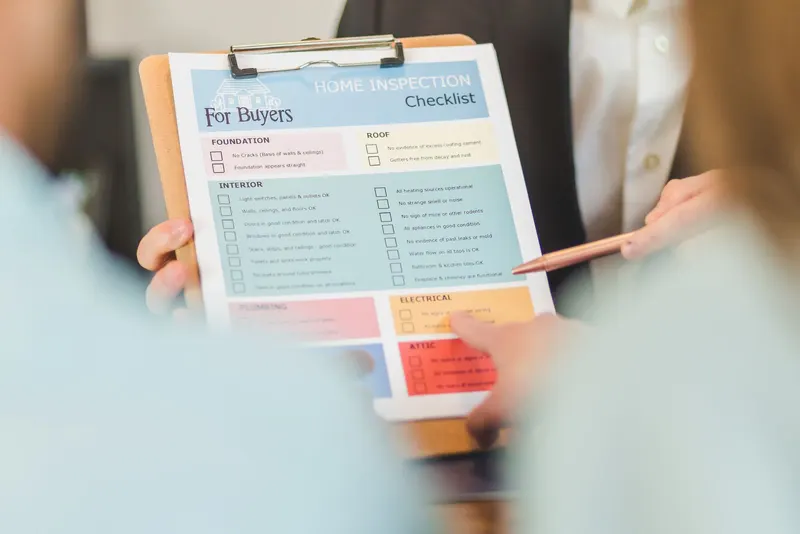
In New Jersey, start with licensing — legitimate cooperative sober living homes hold a Class F license — then interrogate the structure: who lives on site, what the weekly rate includes, the medication policy, and the relapse protocol. Our 12-question checklist is built for exactly that phone call.